




Parametric Insurance: Faster Payouts for Weather and Travel Disasters
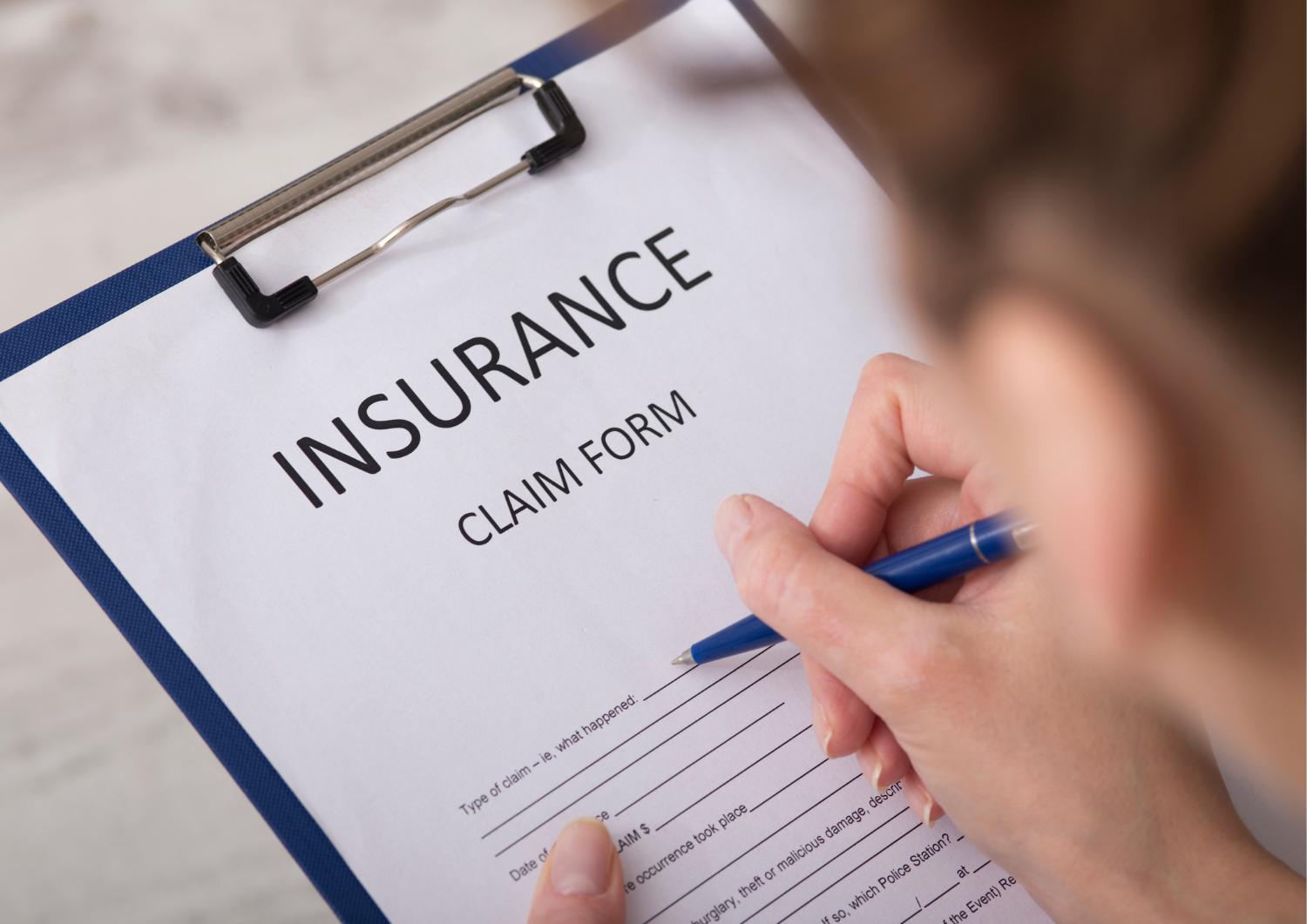
When disaster strikes—whether it’s a hurricane, flood, or canceled flight—getting back on your feet quickly often depends on one thing: fast access to money. Traditional insurance can help, but it usually comes with a long paper trail, adjusters, inspections, and sometimes denied claims.
Parametric insurance offers a different approach. Instead of reimbursing you based on the cost of actual damage, it pays a fixed amount automatically when a specific event occurs, like a certain amount of rainfall or a defined magnitude of earthquake. It’s faster, simpler, and often more reliable in time-sensitive situations.
This model is gaining traction among homeowners, small businesses, and even travelers who need coverage tied to clear, measurable triggers. It’s particularly useful in regions vulnerable to climate-related risks like storms, heatwaves, or wildfires.
What Is Parametric Insurance and How It Works
Trigger-Based Payouts
The core feature of parametric insurance is the predefined trigger. If that event occurs, the payout is issued. For example:
Trigger: 3 inches of rainfall in 24 hours
Payout: $5,000
There’s no need to prove damage or loss. As long as the event occurred as defined in your policy, you receive compensation.
Objective, Trusted Data
These policies rely on independent data sources, such as:
National Weather Service
USGS (U.S. Geological Survey)
Satellite-based sensors
That means payouts are based on unbiased, real-time data—not subjective damage assessments.
No Adjusters, No Delay
Unlike traditional policies that involve inspections and documentation, parametric coverage pays out within days—not weeks or months. It’s designed for speed and certainty, especially helpful when early recovery matters most.
How Parametric Insurance Is Changing Disaster Recovery for Homeowners and Small Businesses
Natural disasters can leave behind more than physical damage—they cause income loss, disruptions, and delays. Many property owners find that traditional insurance either takes too long or doesn’t cover the full financial impact. That’s where parametric insurance steps in.
Real-World Examples
A small business in Florida receives a payout after sustained winds exceed 100 mph—regardless of how much physical damage occurs.
A homeowner in California gets a payout when seismic activity crosses the magnitude 5.0 threshold, enabling quick repairs or relocation.
A wedding venue receives compensation when 2 inches of rain fall within 6 hours, forcing an event cancellation.
These are clear examples of how parametric policies help bridge gaps in recovery time and cost.
Comparison to Traditional Homeowners Insurance
Feature | Parametric Insurance | Traditional Homeowners Insurance |
Payout Time | 1–5 days | Several weeks or more |
Claims Process | Trigger-based | Damage-based, adjuster required |
Use of Funds | Flexible | Typically for specific repairs |
Ideal Use Case | Rapid recovery | Long-term reconstruction |
While traditional policies still serve a purpose—especially for large-scale damage—parametric policies offer speed, simplicity, and fewer disputes.
Providers Offering Property-Focused Parametric Policies
A growing number of companies offer disaster-focused parametric policies:
Jumpstart Recovery
+ Designed for earthquakes
- Limited to quake-prone states
Location: Available in CA, OR, WA
Arbol
+ Customizable for property and weather risks
- Requires understanding your regional risk patterns
Available nationwide
Raincoat
+ Affordable options for storm-related losses
- Currently expanding availability
Location: Available in parts of the U.S., Caribbean, and Latin America
These providers offer unique coverage plans tailored to different perils—ranging from extreme rain to prolonged droughts.
Parametric Insurance for Climate Resilience: A Smarter Way to Protect Your Property
As climate events become more frequent and severe, insurance needs to evolve. Homeowners and businesses alike are dealing with new kinds of risks: historic heatwaves, out-of-season storms, and once-rare disasters becoming more common.
Climate-Related Risk Trends
The number of billion-dollar disasters in the U.S. has steadily increased over the last decade, according to NOAA. These include:
Wildfires destroying homes and disrupting air quality
Floods following more intense rainfall
Heatwaves affecting energy use and agricultural yields
According to NOAA’s Billion-Dollar Weather and Climate Disasters report, the U.S. experienced 28 separate billion-dollar disasters in 2023 alone, highlighting the urgent need for faster, more adaptive insurance solutions like parametric coverage.
Many traditional insurance policies either exclude these risks, impose strict deductibles, or delay payouts due to the need for damage inspections.
How Parametric Triggers Align with Modern Weather Patterns
Parametric insurance is uniquely positioned to address these emerging risks. Triggers can be aligned with:
Rainfall accumulation
Temperature highs or lows
Wind speeds
Earthquake magnitude and location
These weather-triggered policies offer flexibility, letting property owners customize coverage based on their local climate vulnerabilities.
Integration with Existing Property & Casualty Policies
Rather than replacing traditional homeowners or business policies, parametric insurance often works alongside them. It helps:
Cover deductibles or exclusions
Fund emergency relocation or business interruptions
Offer peace of mind in the face of rising unpredictability
For those living in coastal, rural, or disaster-prone areas, parametric insurance can serve as a financial bridge during the earliest and most critical stages of recovery.
Parametric vs. Traditional Insurance: What's the Difference?
Feature | Parametric | Traditional |
Claim process | Trigger-based | Loss-assessed |
Speed of payout | Days | Weeks to months |
Adjuster involved? | No | Yes |
Data used | Independent 3rd party | Internal & adjuster reports |
Best suited for | Weather events, quick relief | Structural rebuilding |
How to Buy a Parametric Policy
Shopping for parametric coverage is becoming more straightforward as more providers enter the market. Here’s how you can approach it:
Identify your top risk: Flood, storm, quake, delay, or drought
Choose your trigger: Measurable, objective data (e.g., 5 inches of rain, magnitude 5.0 earthquake)
Set your payout: Decide how much compensation you’d need after the trigger
Compare providers: With InsureHopper you can look for options that match your location, risk, and budget .
Bind your policy: Once you find a suitable match, finalize coverage and trigger details
Be sure to review the payout structure, data source, and policy terms carefully so you know exactly what to expect if a trigger event happens.
Disasters don’t wait. Neither should your insurance. With parametric insurance, you gain a faster, simpler way to recover when life gets disrupted by weather, earthquakes, or climate-related events.
It’s not just about payouts—it’s about peace of mind. And through InsureHopper’s modern platform, you can explore, compare, and bind policies that actually meet your needs in real-time.
No stress. No endless forms. Just coverage that works.
GET QUICK, RELIABLE COVERAGE—EXPLORE PARAMETRIC POLICIES ON INSUREHOPPER TODAY.
FAQs
Can parametric insurance cover small events, like a rained-out wedding or canceled festival?
Yes. Parametric event policies exist for things like outdoor weddings or concerts. If a trigger—such as rainfall or wind—prevents the event, you receive compensation automatically.
Is this the same type of insurance that helps travelers with flight delays?
Correct. Some parametric travel policies monitor delays and cancellations using flight data. If your flight is delayed beyond the policy threshold, a payout is triggered.
Why would someone choose parametric insurance over regular insurance?
Because it’s fast, clear, and doesn’t rely on damage inspections. It provides upfront financial relief, which can be essential for time-sensitive or hard-to-prove losses.