




The Airbnb Effect — Does Your Home Insurance Really Cover You When Hosting Guests?
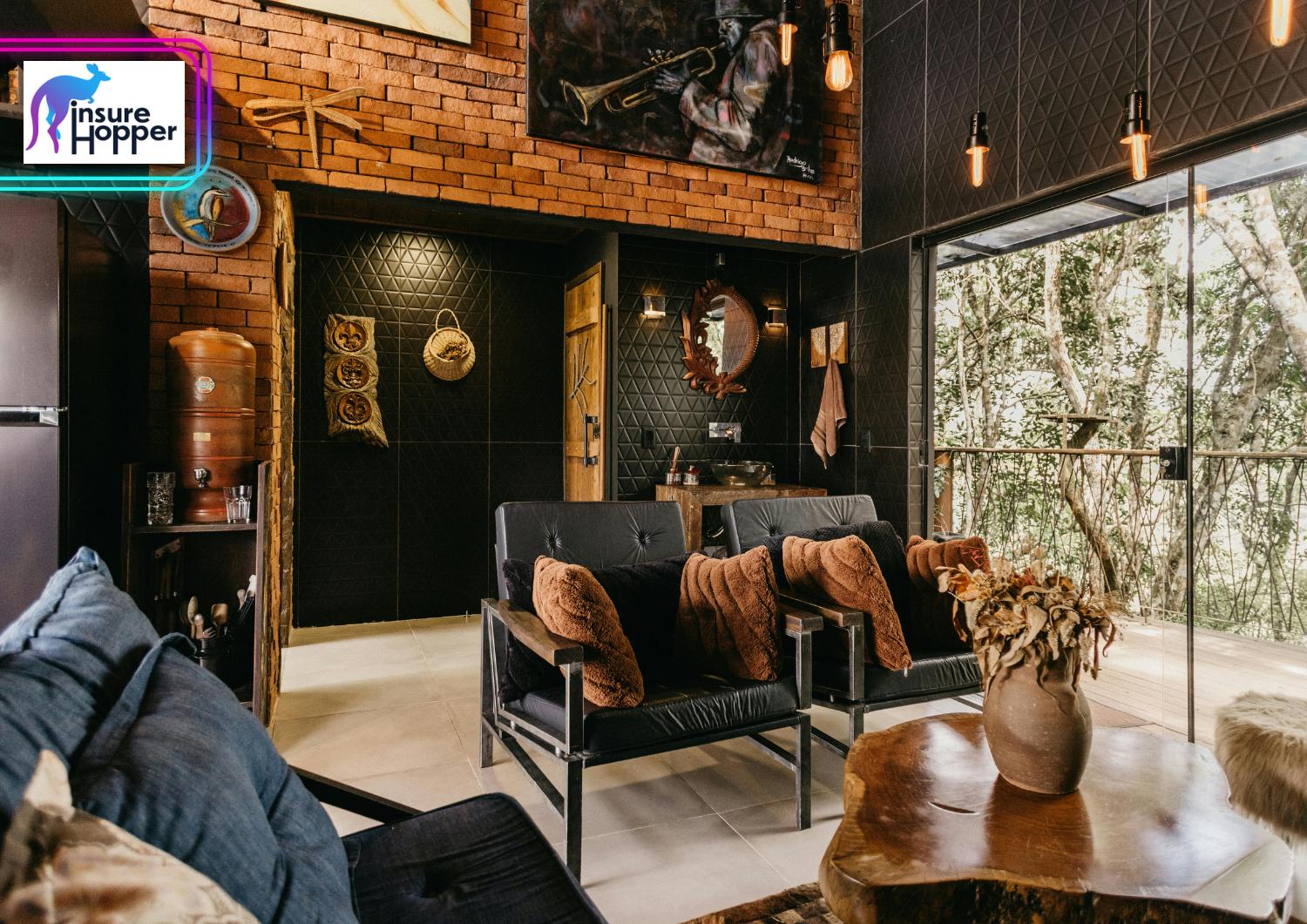
The rise of short-term rental platforms like Airbnb has transformed the way homeowners think about their properties. Hosting guests can provide an attractive income stream, help pay the mortgage, or simply offset living costs. But while the benefits are appealing, hosting also brings unique risks — risks that many homeowners underestimate.
A common assumption is that standard home insurance or homeowners insurance automatically covers any damages or liabilities that occur when hosting guests. Unfortunately, this is rarely the case. Most standard policies were written with traditional residential use in mind — not the occasional influx of paying visitors.
Increasingly, insurance carriers are seeing claims linked to short-term rentals: accidental damage, theft, guest injuries, and liability lawsuits. These claims have highlighted the gaps in conventional home insurance, prompting homeowners to ask whether they’re adequately protected.
Before opening your doors to guests, it’s essential to check with multiple home insurance carriers. Policies vary widely, and what one insurer considers an excluded activity, another may cover with a simple endorsement. By comparing options, you can make informed decisions, avoid coverage gaps, and protect both your property and your wallet.
The Hidden Gaps in Standard Homeowners Insurance Policies
Many homeowners assume their existing policy will provide a safety net for hosting guests. While standard homeowners insurance offers robust coverage for everyday risks — such as fire, theft, and personal liability — hosting paying guests is often treated differently. Here’s what to watch out for:
Liability Exclusions for Paying Guests
One of the most significant gaps in typical homeowners insurance is liability coverage for guests who are paying to stay in your home. Many policies explicitly exclude "business activities" or "commercial occupancy," which can include short-term rentals.
If a paying guest slips on a wet floor, burns themselves on faulty wiring, or experiences a more serious injury, a standard homeowners policy may deny the claim. Without additional coverage, you could be personally liable for medical costs and legal fees — a potentially devastating financial risk.
Accidental Damage Caused by Guests
Accidents happen. Guests might spill red wine on hardwood floors, break furniture, or damage appliances. Standard homeowners insurance often excludes damage caused by paying occupants or limits coverage to only certain types of accidents.
Even if a claim is accepted, the payout might be capped or reduced due to exclusions, leaving homeowners to cover the remaining repair costs out of pocket.
Loss-of-Income Coverage During Repairs
Some homeowners assume they can claim lost income if their rental property is temporarily uninhabitable due to guest-caused damage. However, most standard homeowners insurance does not cover this loss-of-income scenario. Specialized short-term rental endorsements or separate policies may be required to protect against lost rental revenue.
Top Insurance Companies Offering Short-Term Rental Coverage
If you want peace of mind while hosting, you need coverage designed for short-term rentals. Several home insurance carriers now offer tailored endorsements or policies to address the unique risks of Airbnb hosting. Here are some top options:
State Farm (Short-Term Rental Endorsements)
Pros: Widely recognized, customizable endorsements, strong customer support.
Cons: Limited coverage for large-scale events or commercial-style rentals.
States Served: Most U.S. states.
State Farm allows homeowners to add short-term rental endorsements to their existing policy. This can provide liability coverage for guests, damage protection, and sometimes loss-of-income reimbursement, depending on the policy.
Allstate Host Advantage
Pros: Flexible coverage limits, comprehensive liability protection, add-ons for valuable items.
Cons: Premiums may be higher than standard homeowners policies.
States Served: Across the U.S.
Allstate’s HostAdvantage program specifically targets short-term rental hosts. It covers guest injuries, property damage caused by guests, and certain theft situations.
Farmers
Pros: Customizable endorsements, local agent support, optional business-use coverage.
Cons: Not available in all regions for short-term rental coverage.
States Served: Selected states in the U.S.
Farmers allows homeowners to extend coverage to short-term rental activities, bridging the gaps standard homeowners policies leave behind.
USAA (Military Households Hosting Guests)
Pros: Affordable rates for military members, strong liability coverage.
Cons: Restricted to military families.
States Served: Nationwide, limited to eligible members.
USAA provides endorsements for active-duty military and veteran households. This includes short-term rental liability coverage, guest-caused damage, and in some cases, limited income protection.
Hippo
Pros: Modern, tech-friendly approach, comprehensive property coverage, fast claim process.
Cons: Not all traditional coverage options available.
States Served: Nationwide in the U.S.
Hippo offers homeowners insurance with optional endorsements for short-term rentals. Its digital-first approach simplifies the quote process and makes it easy to compare coverage levels.
Other Home Insurance Carriers to Consider
Beyond the major carriers, several others are worth considering for Airbnb hosting:
Lemonade
Pros: Affordable, fast claims, user-friendly app.
Cons: Limited add-on options for high-value rentals.
Regions Served: Select U.S. states.
Progressive
Pros: Flexible endorsements, competitive pricing, strong customer support.
Cons: May require additional documentation for liability coverage.
Regions Served: Nationwide in the U.S.
Travelers
Pros: Comprehensive coverage options, optional loss-of-income protection, strong reputation.
Cons: Premiums may be higher for urban rentals.
Regions Served: Nationwide in the U.S.
Airbnb Host Protection vs. Homeowners Insurance
Understanding the differences between Airbnb’s protection programs and traditional homeowners insurance is crucial for hosts.
What Airbnb Covers
Airbnb provides Host Protection Insurance and Host Guarantee programs. Host Protection Insurance offers liability coverage for bodily injury or property damage to guests. The Host Guarantee may cover property damage, but there are significant exclusions and limitations, such as:
Damage to cash, securities, or pets
Pre-existing conditions or wear-and-tear
Commercial or business use beyond normal hosting
Key Exclusions Homeowners Should Know
Even with Airbnb’s programs, standard homeowners insurance may still exclude guest-related risks. Without endorsements or specialized coverage, you may face gaps for:
Guest-caused property damage
Guest injuries resulting in lawsuits
Loss of rental income during repairs
When You Need an Endorsement or Separate Policy
For comprehensive protection, most hosts should consider either:
Adding a short-term rental endorsement to their existing homeowners policy, or
Purchasing a separate short-term rental policy that covers liability, property damage, and potential income loss.
How to Compare Home Insurance Carriers Offering Airbnb Coverage
When shopping for short-term rental insurance, consider the following steps:
Look for Business-Use Endorsements
Ensure the policy explicitly covers "business use" or short-term rental activity. This often determines whether guest-related incidents are eligible for claims.
Compare Property Damage and Liability Limits
Not all endorsements offer the same coverage. Check the maximum payout for property damage and liability, and ensure it aligns with the value of your home and potential risks.
Check Guest-Related Exclusions
Some policies still exclude certain risks, like party damage, high-value electronics, or injuries during recreational activities. Confirm that your coverage fits your hosting style.
Compare Quotes Across Multiple Carriers
Insurance premiums and coverage can vary significantly. Use platforms like InsureHopper to quickly compare multiple carriers, ensuring you get the best protection at a fair price.
Why Short-Term Rental Insurance Costs Are Rising
Several factors contribute to increasing premiums for Airbnb and short-term rental coverage:
Inflation and Rising Home Repair Costs: As building materials and labor costs rise, insurers adjust premiums to reflect potential claims payouts.
Increased Frequency of Guest Damage Claims: With more homeowners hosting, insurers face more claims, leading to higher premiums.
Higher Liability Exposure: Accidents involving guests can result in expensive lawsuits, prompting carriers to increase coverage costs.
Trends Across Home Insurance Carriers: Some carriers are tightening eligibility requirements, offering smaller endorsements, or raising deductibles to manage risk.
Average Cost of Short-Term Rental Add-On Coverage by State
State | Avg. Annual Premium | Short-Term Rental Add-On |
CA | $1,270 | +$350–$600 |
TX | $1,900 | +$400–$700 |
FL | $2,400 | +$600–$900 |
NY | $1,600 | +$300–$550 |
AZ | $1,100 | +$250–$450 |
These averages reflect a typical homeowners policy plus the cost of adding short-term rental coverage. Rates can vary based on property size, location, and insurer.
Hosting guests can be rewarding — financially and socially — but it introduces risks that many homeowners underestimate. Standard homeowners insurance often has gaps that leave hosts exposed to property damage, guest injuries, and potential lawsuits.
Comparing multiple home insurance carriers, reviewing policy endorsements, and understanding the limits of Airbnb’s own coverage are essential steps for any host. Platforms like InsureHopper make it simple to get accurate, bindable quotes from multiple insurers, saving both time and money while ensuring your home is fully protected.
Protect your home before your next guest arrives. Compare multiple insurance carriers today with InsureHopper — fast, simple, and built to help you find the best fit for your home.
FAQs
Do I need a special endorsement?
Yes. Most standard homeowners policies exclude short-term rental activities. Adding a business-use or short-term rental endorsement ensures your coverage protects you while hosting.
How much does Airbnb home insurance cost?
Costs vary by state, property value, and frequency of hosting. Typical short-term rental add-on premiums range from $250 to $900 annually, depending on location and coverage.
Will my premium increase if I host frequently?
Possibly. Hosting more often increases risk exposure, which may lead some insurers to raise premiums. Comparing multiple carriers helps find the best rate for frequent hosts.