




What Happens During a Cyberattack? How Cyber Insurance Actually Helps
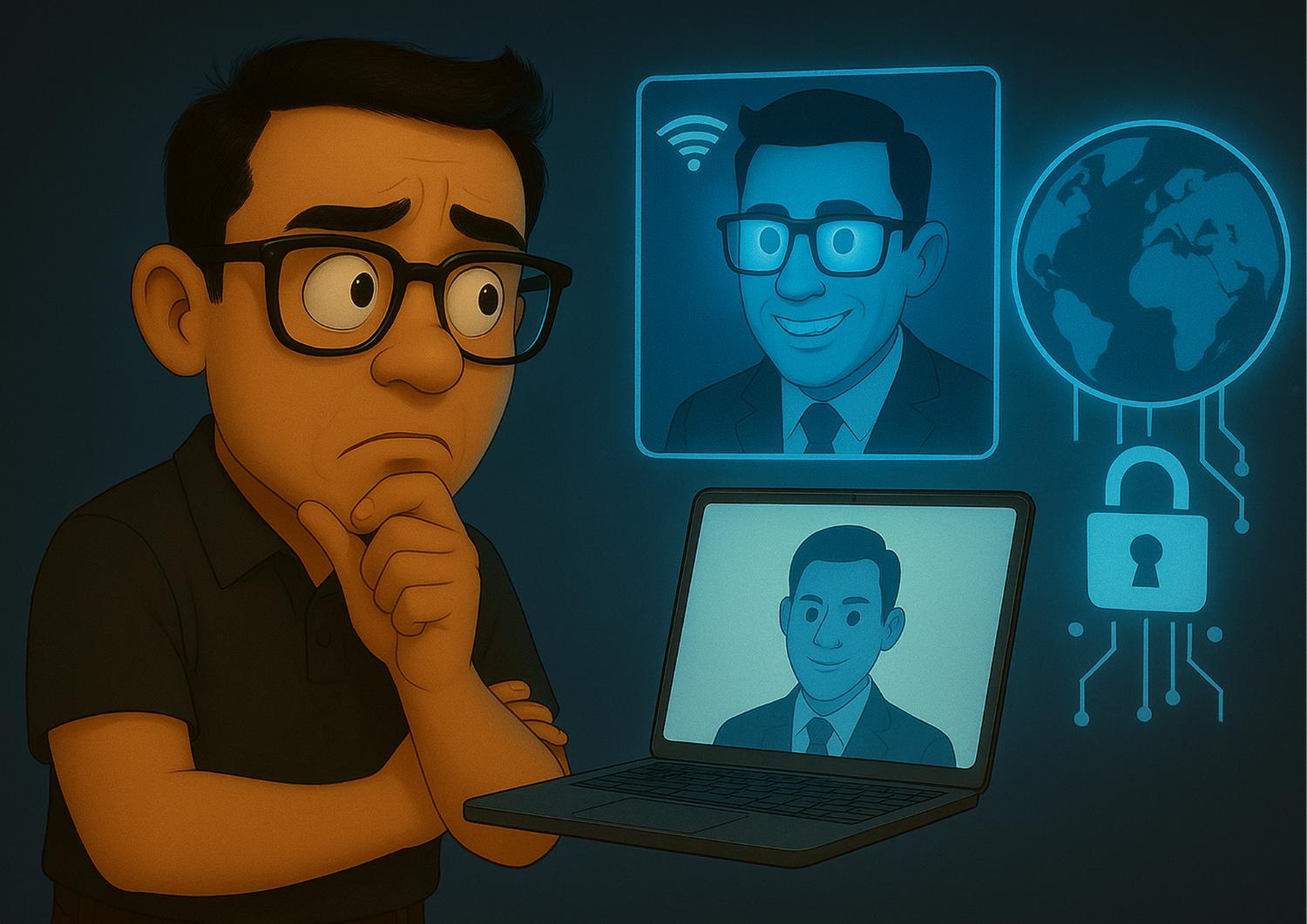
Imagine this:
You arrive at your office, open your laptop, and see a blinking screen. Your company’s systems are frozen. Customer orders are stuck mid-process, emails won’t send, and your entire database is locked. Then a chilling message appears: "Pay $50,000 in cryptocurrency within 48 hours, or your data will be deleted."
This is not a futuristic movie plot—it’s the unfortunate reality for many small businesses today.
While antivirus software and strong passwords may have helped five years ago, modern cyber threats require a far more robust defense. That’s where cyber insurance comes in. More than just a safety net, cyber liability insurance acts as a rapid-response team, financial cushion, legal guide, and PR strategist all in one.
Let’s break down what actually happens during a cyberattack—and how the right cyber coverage can protect your business before, during, and after disaster strikes.
The Cyberattack Timeline: Step-by-Step Breakdown
To truly understand how cyber insurance works, it helps to follow a typical cyberattack from the moment of breach to full recovery. Let’s walk through a fictional—but realistic—attack on a small eCommerce business.
Step 1: The Breach
It started with a single click.
An employee received an email that looked like it came from a trusted shipping partner. The link inside wasn’t legit—it installed malware that gave hackers access to the company’s systems.
Within hours, the attackers encrypted customer data, inventory records, and financial files. A ransomware demand appeared, locking the team out of their entire platform.
Cyber Insurance Response:
Once the company reported the incident to their cyber insurance carrier, the wheels were set in motion. The insurer activated their emergency response team, which included cybersecurity specialists and breach coaches.
Step 2: Containment & Investigation
The business’s first priority was to stop the attack from spreading further.
What happened next:
Cybersecurity experts worked to isolate the infected servers.
Forensic specialists (paid for by the insurance policy) identified the malware origin.
Investigators confirmed how much data was compromised and whether it was exfiltrated.
Cyber Insurance Response:
Cyber liability insurance covered the cost of the digital forensics team. It also helped the business comply with time-sensitive regulatory rules during the early phase of the investigation.
Step 3: Notifications & Legal Guidance
Because personal customer information—including emails and partial credit card data—was accessed, the business was legally obligated to notify affected customers.
Cyber Insurance Response:
Covered customer notification costs.
Paid for legal consultation to ensure compliance with California Consumer Privacy Act (CCPA) and other laws.
Provided media relations support to minimize reputational damage.
Step 4: Recovery & Business Interruption
Even after the ransomware was removed, restoring full functionality took time. Orders were delayed. Revenue was lost.
Cyber Insurance Response:
Covered revenue loss during downtime.
Paid for systems restoration and data recovery.
Compensated the cost of re-launching secure infrastructure.
Step 5: Long-Term Security Improvements
The story doesn’t end after the attack is cleaned up. Insurance providers often require—and assist with—long-term improvements.
Cyber Coverage Includes:
Access to cybersecurity training for employees.
Regular security audits.
Installation of advanced monitoring tools.
In short, small business cyber insurance becomes a long-term ally in digital defense.
What Cyber Insurance Covers (and What It Doesn’t)
Like any insurance product, cyber liability insurance has its limits. It’s critical to understand the scope of your coverage before you need it.
Common Inclusions
Ransom Payments
Covers extortion demands made by cybercriminals.
Data Recovery
Helps retrieve and restore lost, deleted, or encrypted data.
Legal Fees
Covers defense costs and settlements related to lawsuits or regulatory violations.
PR and Crisis Management
Pays for public relations consultants to manage customer trust and brand image.
Regulatory Fines
Helps you deal with penalties from agencies like the FTC or state authorities.
Common Exclusions
Prior Breaches
Events that began before the policy was active are typically excluded.
Negligence
Failure to maintain basic cybersecurity protocols (e.g., no firewalls, no employee training) may void claims.
Insider Threats
Deliberate internal sabotage or theft often requires a different type of coverage.
Poor Cyber Hygiene
Lack of updates, unsupported software, or outdated systems can be considered preventable.
Top Cyber Insurance Providers to Consider
InsureHopper connects users to leading carriers, offering competitive quotes and real-time comparison tools. Here are a few standout options to explore:
1. Coalition
Pros: Real-time threat detection tools, 24/7 incident response
Cons: May not be cost-effective for micro businesses
Served in: Most U.S. states

Why it stands out:
Coalition is more than just an insurer—it’s also a technology company. Its policies include proactive monitoring and vulnerability alerts to prevent issues before they arise.
2. Travelers CyberRisk
Pros: Deep underwriting knowledge, flexible coverage limits
Cons: Requires businesses to meet stringent security standards
Served in: Nationwide
Why it stands out:
Travelers is ideal for businesses looking for customized cyber protection layered with traditional liability support.
3. Chubb Cyber ERM
Pros: Strong policy options for midsize to large enterprises
Cons: Premium pricing
Served in: Nationwide

Why it stands out:
Chubb offers enterprise-grade cyber solutions with scalable limits and dedicated incident response teams.
How to Know If Your Business Needs Cyber Liability Insurance
Cyber insurance isn’t just for tech firms or billion-dollar corporations. If any of the following apply to you, you should strongly consider cyber coverage.
If You Store Customer Data
Whether it’s names, addresses, or payment details, storing personally identifiable information (PII) puts you at risk.
If You Rely on Cloud Software
Cloud-based CRMs, scheduling apps, and accounting platforms are common attack vectors.
If You Accept Online Payments
Payment processors are often targeted. Even if you outsource billing, you may still be held accountable.
If Your Business Can't Afford Downtime
Could your business survive a week offline? Cyber liability insurance helps cover lost income during outages.
Average Cost of Cyber Insurance for Small Businesses
Rates vary depending on data sensitivity, security measures, revenue, and previous claims. Through InsureHopper, you can compare quotes in minutes without speaking to an agent or submitting duplicate applications.
Tips for Choosing the Right Cyber Policy
Choosing the wrong policy can leave you exposed. Here’s how to get it right:
Ask About Both First- and Third-Party Coverage
First-party covers your business. Third-party covers claims made against you by clients or partners.
Know the Security Tools Insurers Expect
Some policies require you to have basic cybersecurity tools in place—like MFA (multi-factor authentication) and secure backups.
Compare Response Times
Look for insurers with guaranteed breach response timelines. Time is everything in a cyberattack.
Review Exclusions and Limitations
Don’t get caught off guard. Ask your broker or read the fine print on exclusions.
Compare Providers Through InsureHopper
At InsureHopper, our advanced engine streamlines the quote process—filtering by your business type, risk level, and preferred price range. No spam. Just reliable results.
A cyberattack isn’t a possibility—it’s a matter of time. The question is whether your business will be caught off guard or covered.
Cyber insurance isn’t just a backup plan—it’s a partner in crisis. A good policy responds before, during, and after a breach. Whether you're a freelance web developer or a mid-size healthcare practice, cyber coverage can mean the difference between bouncing back or shutting down.
PROTECT YOUR BUSINESS BEFORE IT’S TOO LATE. COMPARE CYBER INSURANCE QUOTES ON INSUREHOPPER.
FAQs
How fast does cyber insurance pay out after an incident?
Payment timelines vary by provider, but most insurers begin disbursing funds for covered expenses within a few weeks of documentation. Some policies offer expedited payouts for ransomware-related costs.
What if my business already uses antivirus and firewalls—do I still need cyber insurance?
Yes. Cyber insurance covers financial damages that antivirus tools can’t prevent—like business interruption, lawsuits, and ransom payments.
Does cyber insurance cover social media hacks or impersonation?
Some policies cover unauthorized use of company social media, but not all. Review your policy or ask your insurer for details about social engineering and brand protection.