




What Happens If I Let My Car Insurance Lapse?
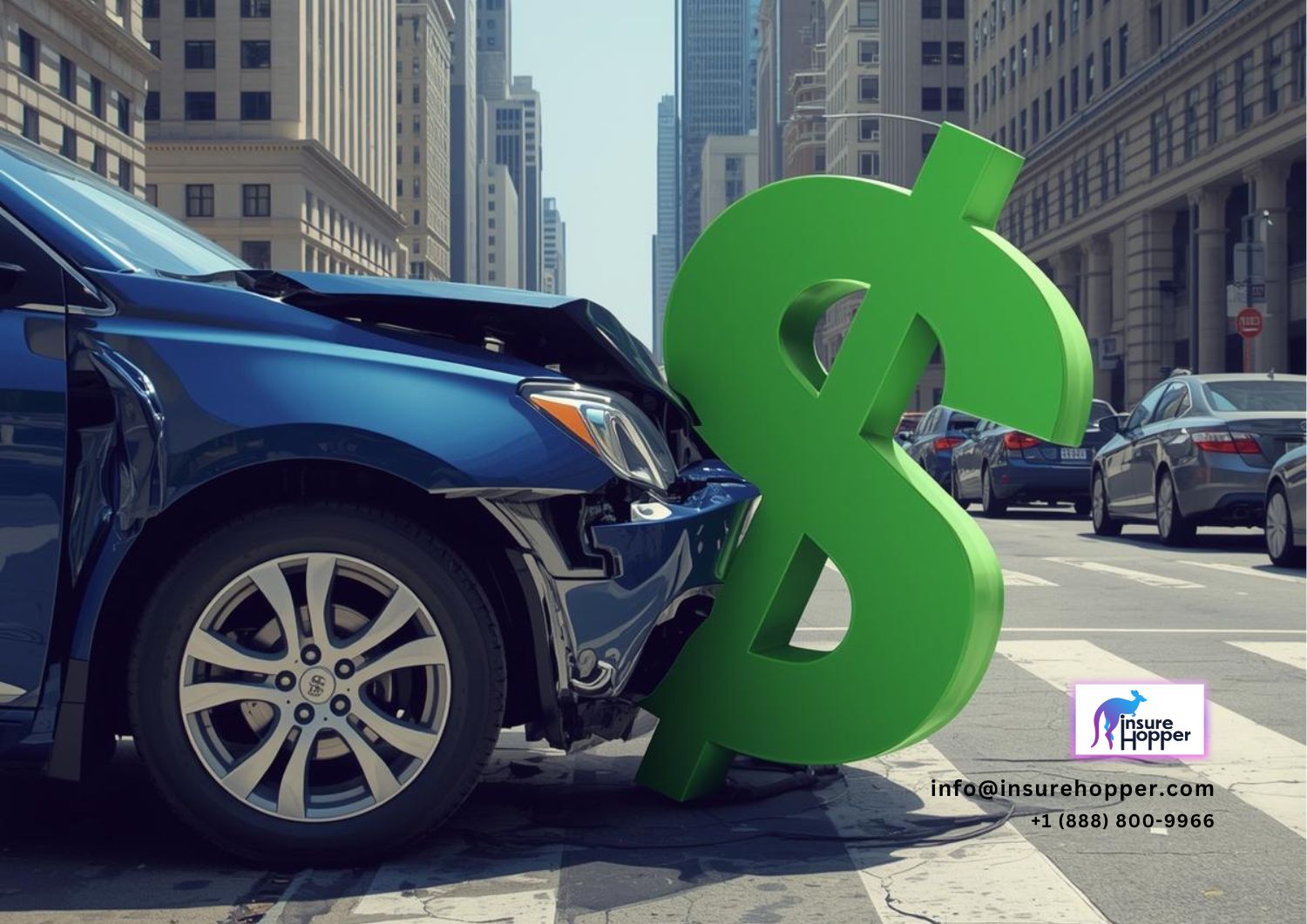
What Happens If You Let Your Car Insurance Lapse: Risks and Solutions
Maintaining continuous car insurance coverage is not just a smart choice; in most states, it is the law. Yet, life happens: missed car insurance payments, confusion over renewal dates, or switching carriers can all lead to a car insurance lapse. When coverage gaps occur, the consequences can quickly escalate from inconvenient to costly.
In this guide, we will walk through what a car insurance lapse means, why it matters, and how you can protect yourself from auto insurance lapse consequences. Whether you are worried about legal penalties, higher rates, or liability risk after a lapse, this guide will help you understand the risks and the solutions.
Understanding a Car Insurance Lapse
What Does a Car Insurance Lapse Mean?
A car insurance lapse happens when your auto insurance policy is terminated, and there is a gap before new coverage begins, leaving you without protection.
Here is what that really means:
You no longer have legal liability coverage, so in the event of an accident, you are financially responsible for all damages.
You are considered uninsured driving, even if the lapse lasted only a day.
It creates an insurance gap coverage issue because future insurers see it as a risk factor.
It is important to understand how a lapse differs from other policy changes:
Cancellation – Your insurer may cancel your policy for reasons like non-payment or driving violations. This typically triggers immediate loss of coverage.
Non-renewal – Your policy reaches its expiration date, and the insurer chooses not to renew it. If you do not replace it immediately, a lapse occurs.
Lapse – This term specifically refers to any period where coverage expires without replacement, whether by your choice or due to missed requirements.
Common Reasons for a Lapse
Understanding why lapses occur can help you avoid them. The most frequent triggers include:
Missed Payments
This is the most common cause of an insurance gap. If a payment does not go through, whether due to a bank error, changed billing info, or forgetting the due date, your insurer may terminate coverage after a grace period.
Policy Expiration
Some people inadvertently let their policy expire. Maybe they intended to switch insurers, but did not complete the process in time. Once your expiration date passes without a new policy in place, you are in an uninsured gap.
Switching or Dropping Coverage Without a Replacement
Some policyholders intentionally drop coverage, perhaps expecting a new policy to start immediately. But if there is a delay, even a day, you have had a car insurance lapse.
Even short gaps can have lasting consequences on your insurance score and future premiums.
Legal and Financial Consequences
Driving without insurance is not just risky; it is illegal in nearly every state.
Legal Penalties for Driving Without Insurance
When your policy lapses, you are effectively driving without insurance. That can mean:
Fines that range from hundreds to thousands of dollars, depending on your state.
License suspension or revocation requires you to pay reinstatement fees.
Vehicle registration holds or suspension.
Possible SR-22 requirements, a form certifying you carry high-risk insurance.
State laws vary widely, but most impose stiff penalties for uninsured driving because the financial burden shifts to the driver and other parties involved in accidents.
Increased Premiums After a Lapse
One of the most lasting effects of an auto insurance lapse is on your future insurance costs.
Insurance companies view a lapse as a sign of financial instability or risk. When you reapply for coverage:
Insurers may charge higher premiums because they see you as a higher risk.
Some carriers offer coverage, but at prices significantly higher than before.
A history of lapses may stay on your insurance record for years, affecting quotes across the market.
This means the initial cost savings of missing a payment could cost you far more down the road in elevated premiums.
Risks During the Coverage Gap
Perhaps the biggest danger of letting your insurance lapse is something unexpected, like a crash or theft, happening during that gap.
Accidents While Uninsured
If you are involved in an accident without coverage:
You are personally responsible for damage to your vehicle, others’ vehicles, medical expenses, and property damage.
Even if the accident was not your fault, you must cover costs until the at-fault driver’s insurer pays, and that could take time.
Liability for Damages Out-of-Pocket
Without liability insurance, you have no financial safety net:
You may have to pay out of pocket for repairs, replacements, and medical costs.
If you cannot afford it, you risk debt, wage garnishment, or credit damage.
Potential Lawsuits
In more serious cases, the other party may pursue legal action to recover losses, especially if injuries are involved. This can lead to even greater financial strain and long-term consequences.
According to the Insurance Information Institute, over 12 percent of drivers in the United States are uninsured, showing how common and risky insurance gaps can be. You can read their detailed statistics and research here.
How to Reinstate or Replace Coverage
If you have already experienced a lapse, all is not lost. Here are steps that can help you get back on track.
Contacting Your Current Insurer
Your first step should be to call your existing insurance company. Many insurers offer reinstatement options if:
The lapse was recent.
You can pay back premiums or bring your payments up to date.
You agree to any applicable fees.
Reinstatement may be significantly cheaper than getting a new policy altogether, and it can help minimize the length of your coverage gap.
Shopping for a New Policy
If reinstatement is not an option or you want to explore better rates, the next step is to shop for a new policy.
Here is how to do it smartly:
Use online platforms to compare quotes from multiple carriers simultaneously. This helps you find competitive pricing and appropriate coverage without calling multiple agents.
Look for discounts, such as safe driver, bundled policies, or good payer discounts.
Review coverage details carefully so you are not underinsured.
The fast and advanced engine of InsureHopper can simplify this process by helping you fill out a single form to get multiple accurate, bindable quotes, saving time and potentially lowering your costs.
Preventing Future Lapses
Once you have secured coverage, consider these practices to prevent future gaps:
Set up automatic payments with your insurer so missed payments do not derail your policy.
Enable renewal reminders via email or text.
Regularly review your policy details to avoid surprises.
Proactive steps help you maintain continuous coverage, which insurance companies see as a sign of stability and responsibility.
Tips to Protect Your Insurance History
Maintaining a strong insurance history not only keeps you legally compliant but can save you money and stress.
Avoid Frequent Policy Gaps
Continuous coverage matters more than most drivers realize. Insurance underwriters consider coverage gaps seriously when setting rates. Avoiding lapses:
Keeps your insurance score healthier.
Prevents insurers from charging risk premiums.
Helps you qualify for better deals over time.
Keep Documentation and Proof of Coverage
Always retain key documents, such as:
Policy declarations pages
Renewal notices
Payment receipts
Cancellation or non-renewal letters
If there is ever a dispute, like a cancellation you did not expect, documentation helps your case. It is also useful if you need to verify coverage dates with another insurer.
Communicate With Your Insurance Agent
Your agent can be a valuable ally. If you are struggling with payments or anticipate a lapse, talk with them:
They may help you temporarily adjust coverage levels.
They can suggest discounts or payment plans.
They can notify you of upcoming renewal deadlines.
Open communication often prevents lapses from ever happening.
Letting your car insurance lapse might seem like a short-term fix, but the legal and financial consequences can last far longer than the brief gap itself. If you are unsure about your current coverage or you have experienced a lapse, take the time today to:
Review your coverage status.
Compare quotes from reputable carriers.
Set up safeguards to avoid future gaps.
Platforms like InsureHopper make it easier to find competitive, personalized auto insurance options, helping you secure coverage that fits your budget and needs without unnecessary hassle.
Frequently Asked Questions (FAQs)
Can I drive legally after my insurance lapses?
No. Driving without active coverage is illegal in most states and can result in fines, license suspension, and other penalties. Always ensure a new policy starts before your old one ends.
How long does a car insurance lapse affect my record?
An auto insurance lapse can impact your insurance record for 2 to 5 years, depending on the insurer and state. During that time, you may face higher premiums and limited carrier options.
Can an insurance agent help me reinstate coverage quickly?
Yes. If the lapse is recent, your agent or insurer may be able to reinstate coverage with minimal fees. Acting fast is key because the longer the gap, the more complicated reinstatement becomes.